
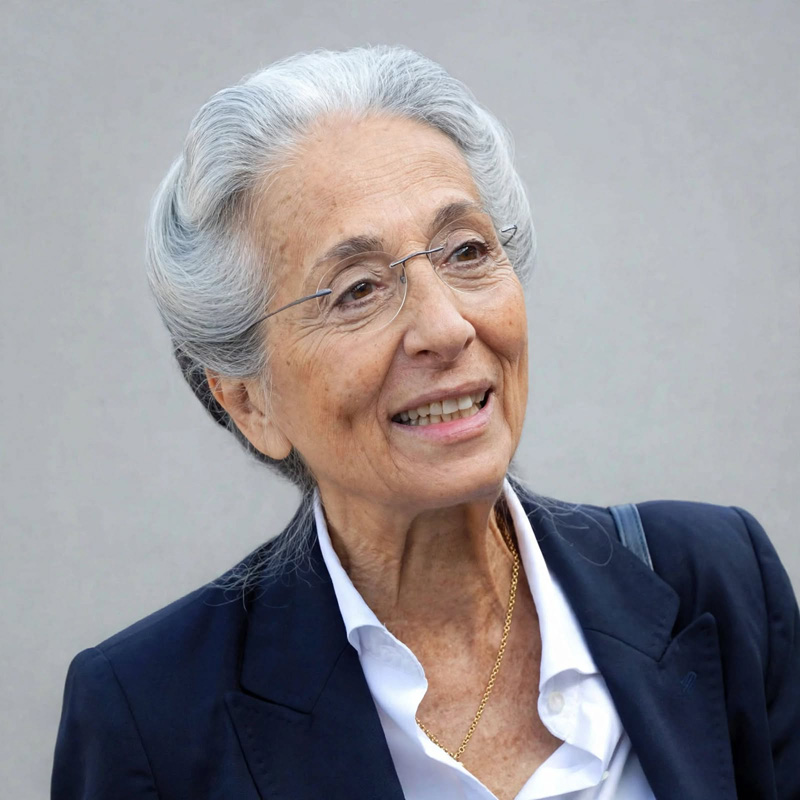
Ing. Piera Levi-Montalcini
Presidente L-MF
Ing. Piera Levi-Montalcini, Presidente dell’Associazione Levi-Montalcini (Torino 2002) e dell’Associazione eTutorWeb (Roma 2014), segretario dell’Associazione International Council of Human Duties (Trieste 2020), è oggi impegnata a curare gli archivi di famiglia e a sviluppare la Rete Levi-Montalcini, che lega tra loro enti e scuole intitolate a Rita Levi-Montalcini. Dal 2023 è Presidente della Levi-Montalcini Foundation, nata non solo per sviluppare una linea di continuità con l’esperienza della Fondazione Levi-Montalcini, costituita nel 1992 dalle gemelle Rita e Paola in memoria del padre Adamo, e quella dell’Associazione Levi-Montalcini fondata da Piera Levi-Montalcini nel 2002, ma soprattutto per introdurre nuovi e imprescindibili scopi istituzionali legati alla memoria della famiglia Levi-Montalcini.
Ing. Piera Levi-Montalcini
President L-MF
Eng. Piera Levi-Montalcini, President of the Levi-Montalcini Association (Turin 2002) and of the eTutorWeb Association (Rome 2014), secretary of the International Council of Human Duties Association (Trieste 2020), she is currently committed to curating family archives and developing the Levi-Montalcini Network, which links institutions and schools named after Rita Levi-Montalcini. Since 2023 she has been President of the Levi-Montalcini Foundation, created not only to develop a line of continuity with the experience of the Levi-Montalcini Foundation, established in 1992 by the twins Rita and Paola in memory of their father Adamo, and that of the Levi-Montalcini Association founded by Piera Levi-Montalcini in 2002, but above all to introduce new and essential institutional purposes linked to the memory of the Levi-Montalcini family.
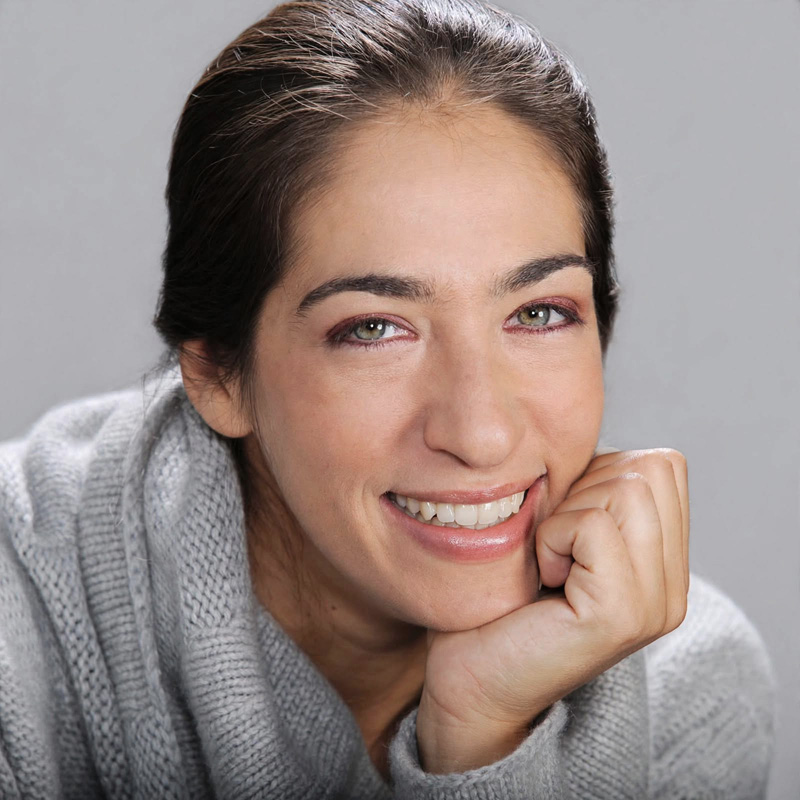
Dott.ssa Claudia Levi-Montalcini
Vicepresidente L-MF
Dott.ssa Claudia Levi-Montalcini, laureata in lettere presso il Centre International de Valbonne – Sophia Antipolis (Francia). Ha affinato le proprie capacità relazionali accompagnando la professoressa Rita Levi-Montalcini nei suoi viaggi (a soli otto anni ha presenziato a Stoccolma alla cerimonia di consegna del premio Nobel in Medicina alla zia). Dal 1999 partecipa all’Ambrosetti Workshop e alle attività del gruppo Future Leaders. E’ Vicepresidente della Levi-Montalcini Foundation, dove si occupa di pubbliche relazioni, gestione e organizzazione. Inoltre è Vicepresidente per l’Europa e membro del Consiglio Internazionale dell’organizzazione Colors for Peace, associazione globale senza scopo di lucro che promuove la pace attraverso l’arte e i disegni realizzati da bambini di tutto il mondo.
Dr. Claudia Levi-Montalcini
Vice President L-MF
Dr. Claudia Levi-Montalcini holds a degree in Humanities from the Centre International de Valbonne – Sophia Antipolis (France). She honed her interpersonal skills by accompanying Professor Rita Levi-Montalcini on her travels (at the age of just eight, she attended the Nobel Prize in Medicine award ceremony in Stockholm, where her aunt was honored). Since 1999, she has participated in the Ambrosetti Workshop and the activities of the “Future Leaders” group. She serves as Vice President of the Levi-Montalcini Foundation, where she oversees public relations, management, and organization. Furthermore, she is the Vice President for Europe and a member of the International Council of “Colors for Peace”—a global non-profit organization that promotes peace through art and drawings created by children from all over the world.
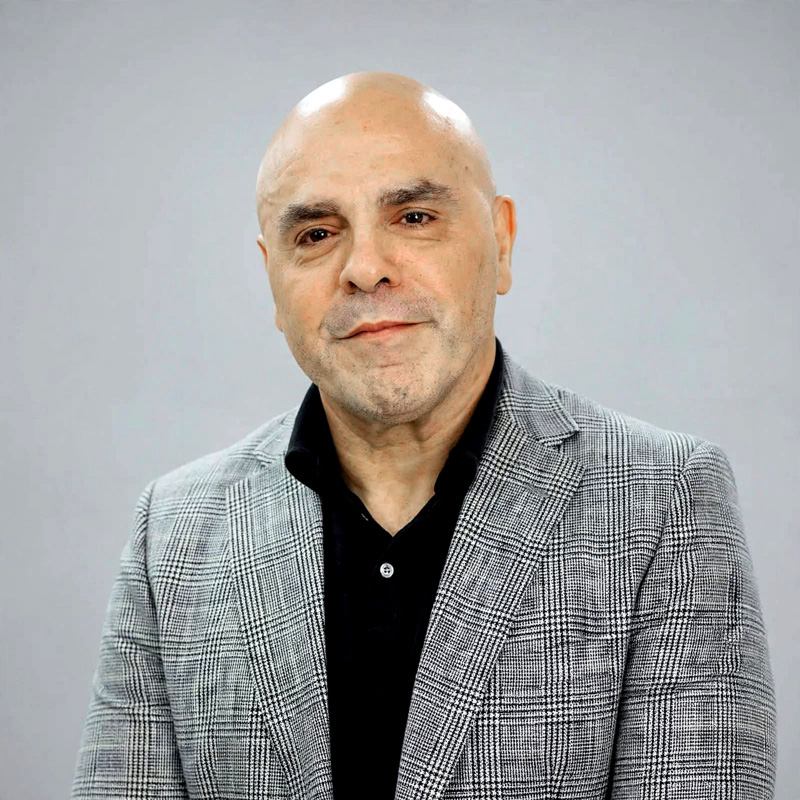
Prof. Angelo Vescovi
Presidente Comitato Tecnico Scientifico L-MF
Prof. Angelo Vescovi, classe 1962 di Romano di Lombardia, biologo, farmacologo e pioniere mondiale delle cellule staminali cerebrali. Professore di Biologia Cellulare all’Università di Milano-Bicocca e Direttore Scientifico dell’IRCCS Casa Sollievo della Sofferenza di San Giovanni Rotondo. Department Head per l’Ingegneria Tissutale all’Ospedale Niguarda di Milano e Direttore dell’Istituto CSS-Mendel di Roma e della Banca Staminali Cerebrali di Terni. Fondatore di StemGen, Hyperstem e della Fondazione Revert Onlus per la ricerca su SLA e malattie neurodegenerative. Dal 2022 è Presidente del Comitato Nazionale per la Bioetica presso la Presidenza del Consiglio e Membro della Pontificia Accademia per la Vita. Autore di oltre 180 pubblicazioni, revisore per Nature e Science, vincitore dell’Ambrogino d’Oro di Milano. La sua attività internazionale lo ha portato negli Emirati Arabi Uniti, dove ricopre il ruolo di Advisor dell’Abu Dhabi Stem Cells Center (ADSCC), centro di eccellenza per la medicina rigenerativa. All’ADSCC ha contribuito allo sviluppo delle prime cellule iPS cliniche virus-free di grado GMP in Medio Oriente, per terapie personalizzate su Parkinson, Alzheimer e diabete. Una carica che conferma il suo ruolo di ponte tra la ricerca italiana e il polo biotech emergente degli Emirati.
Prof. Angelo Vescovi
President of the L-MF Scientific Technical Committee
Prof. Angelo Vescovi, born in 1962 in Romano di Lombardia, is a biologist, pharmacologist, and a global pioneer in the field of brain stem cells. He serves as a Professor of Cell Biology at the University of Milano-Bicocca and as Scientific Director of the IRCCS Casa Sollievo della Sofferenza in San Giovanni Rotondo. He is also Head of the Tissue Engineering Department at the Niguarda Hospital in Milan, Director of the CSS-Mendel Institute in Rome, and Director of the Brain Stem Cell Bank in Terni. He is the founder of StemGen, Hyperstem, and the Revert Onlus Foundation, which focuses on research into ALS and neurodegenerative diseases. Since 2022, he has served as President of the National Committee for Bioethics under the Italian Prime Minister’s Office and is a member of the Pontifical Academy for Life. The author of over 180 publications, he acts as a reviewer for *Nature* and *Science* and is a recipient of Milan’s “Ambrogino d’Oro” award. His international work has taken him to the United Arab Emirates, where he serves as an advisor to the Abu Dhabi Stem Cells Center (ADSCC), a center of excellence for regenerative medicine. At the ADSCC, he contributed to the development of the Middle East’s first GMP-grade, virus-free clinical iPS (induced pluripotent stem) cells, intended for personalized therapies for Parkinson’s disease, Alzheimer’s disease, and diabetes. This position underscores his role as a bridge between Italian research and the emerging biotech sector in the UAE.
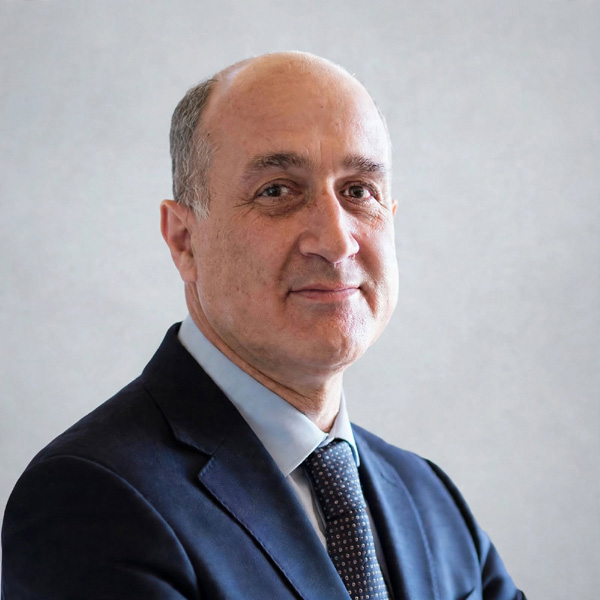
Prof. Antonio Ruggero
Comitato Tecnico Scientifico L-MF
Prof. Antonio Ruggiero, medico pediatra e oncologo pediatrico, originario di Sant’Angelo Le Fratte (Potenza). Laureato in Medicina e Chirurgia nel 1992 presso l’Università Cattolica del Sacro Cuore di Roma. Specialista in Pediatria nel 1996 e in Ematologia ed Oncologia Pediatrica nel 1998, sempre presso l’Università Cattolica di Roma. Professore associato di Pediatria generale e specialistica presso l’Università Cattolica del Sacro Cuore, campus di Roma, settore MEDS-20/A. Direttore della UOSD di Oncologia Pediatrica della Fondazione Policlinico Universitario Agostino Gemelli IRCCS. Insegna Pediatria e Ematologia ed Oncologia Pediatrica presso la Facoltà di Medicina e Chirurgia dell’Università Cattolica. Autore di numerose pubblicazioni scientifiche su tumori pediatrici, chemioterapia, effetti collaterali e nuove terapie per bambini e adolescenti. Tumori solidi pediatrici, sarcomi, tumori cerebrali, leucemie, trapianti e qualità di vita dei piccoli pazienti oncologici. Nel 2013 vincitore del premio “Lucani insigni” della Regione Basilicata per essersi distinto a livello nazionale e internazionale. Noto per l’attenzione al bambino e alla famiglia, oltre che alla cura clinica, con progetti di supporto psicologico e di umanizzazione del reparto.
Prof. Marco Sandri
L-MF Scientific Technical Committee
Professor Antonio Ruggiero is a pediatrician and pediatric oncologist, originally from Sant’Angelo Le Fratte (Potenza). He earned his degree in Medicine and Surgery in 1992 from the Catholic University of the Sacred Heart in Rome. He completed his specialization in Pediatrics in 1996, followed by a specialization in Pediatric Hematology and Oncology in 1998, both at the same institution. He serves as an Associate Professor of General and Specialized Pediatrics at the Catholic University of the Sacred Heart (Rome campus) and is the Director of the Pediatric Oncology Unit (UOSD) at the Fondazione Policlinico Universitario Agostino Gemelli IRCCS. He teaches Pediatrics, Pediatric Hematology, and Pediatric Oncology at the Faculty of Medicine and Surgery of the Catholic University. He is the author of numerous scientific publications focusing on pediatric cancers, chemotherapy, side effects, and novel therapies for children and adolescents—covering areas such as pediatric solid tumors, sarcomas, brain tumors, leukemias, transplants, and the quality of life of young oncology patients. In 2013, he received the “Lucani Insigni” (Distinguished Lucanians) award from the Basilicata Region in recognition of his achievements at both the national and international levels. He is well-regarded for his dedicated approach to children and their families, which extends beyond clinical care to include psychological support initiatives and efforts to “humanize” the hospital ward.
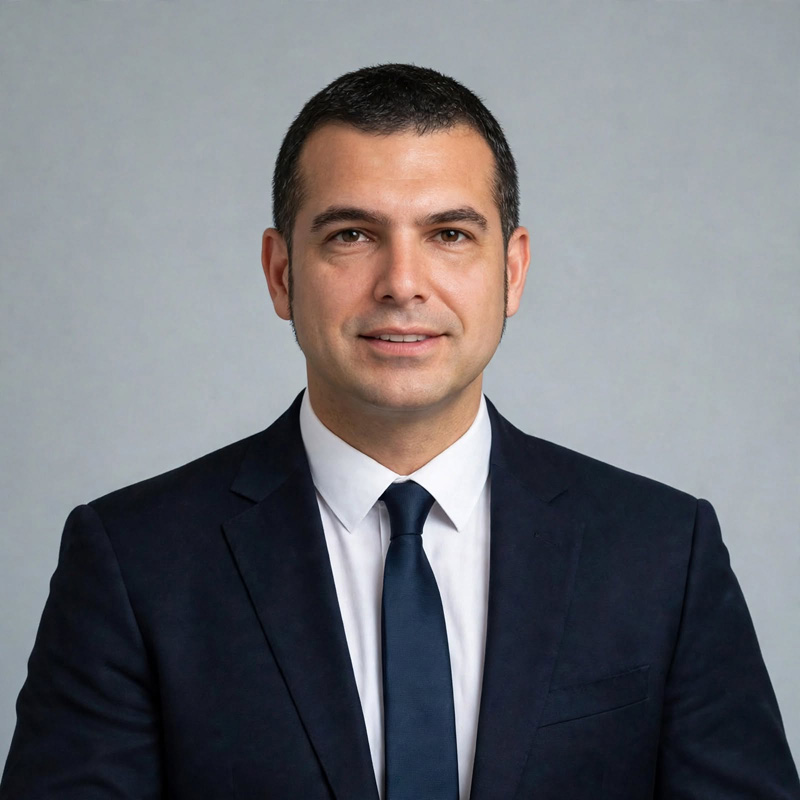
Prof. Matteo Micucci
Comitato Tecnico Scientifico L-MF
Prof. Matteo Micucci, professore Associato (CHEM-07/B, GSD 03/CHEM-07) presso il Dipartimento di Scienze Biomolecolari (DISB) dell’Università degli Studi di Urbino Carlo Bo. Dottore di Ricerca in Scienze Farmaceutiche con specializzazione in Chimica Farmaceutica e Alimentare, conseguito nel luglio 2013 presso l’Alma Mater Studiorum – Università di Bologna. Formazione in Farmacia completata con un periodo di ricerca all’estero nel 2010 presso la Leicester School of Pharmacy, De Montfort University (UK). Assegnista di Ricerca dal 2013 al 2018 presso il Laboratorio di Biofarmaceutica e Nutraceutica (FaBiT), Università di Bologna, e Professore a Contratto di Chimica e Tecnologie Nutraceutico-Alimentari. Docente titolare di Alimenti e Prodotti Nutraceutici (Farmacia) e di Chimica degli Alimenti (Scienza della Nutrizione), nonché Docente Tutor della Scuola di Farmacia di Urbino. Esperto di Chimica degli Alimenti, Chimica Farmaceutica e Nutraceutica, con particolare attenzione ai composti bioattivi da matrici vegetali come Olea europaea, Hibiscus sabdariffa e Camellia sinensis. Produzione scientifica di 64 contributi censiti, 1.253 citazioni e H-index 21 (Scopus, 2024), con 292 co-autori e 17 collaborazioni nazionali e internazionali. Attivo in progettualità di ricerca nazionale ed europea, con partecipazione a congressi e convegni nazionali e internazionali come relatore e coordinamento di gruppi di ricerca. Impegnato da oltre quindici anni in didattica, tutorato e servizio agli studenti, con attività di supporto alla tesi e alle esercitazioni di laboratorio in chimica e analisi degli alimenti.
Prof. Marco Sandri
L-MF Scientific Technical Committee
Prof. Matteo Micucci is an Associate Professor (CHEM-07/B, GSD 03/CHEM-07) in the Department of Biomolecular Sciences (DISB) at the University of Urbino Carlo Bo. He holds a PhD in Pharmaceutical Sciences, with a specialization in Pharmaceutical and Food Chemistry, obtained in July 2013 from the Alma Mater Studiorum – University of Bologna. His pharmaceutical training included a research period abroad in 2010 at the Leicester School of Pharmacy, De Montfort University (UK). From 2013 to 2018, he served as a Research Fellow at the Laboratory of Biopharmaceutics and Nutraceuticals (FaBiT) at the University of Bologna, and as an Adjunct Professor of Nutraceutical and Food Chemistry and Technology. He currently teaches “Foods and Nutraceutical Products” (Pharmacy program) and “Food Chemistry” (Nutritional Sciences program) and serves as a Faculty Tutor for the School of Pharmacy in Urbino. His expertise lies in Food Chemistry, Pharmaceutical Chemistry, and Nutraceuticals, with a particular focus on bioactive compounds derived from plant matrices such as *Olea europaea*, *Hibiscus sabdariffa*, and *Camellia sinensis*. His scientific output includes 64 indexed publications, 1,253 citations, and an H-index of 21 (Scopus, 2024), involving 292 co-authors and 17 national and international collaborations. He is actively involved in national and European research projects, frequently participating as a speaker at national and international conferences and coordinating research groups. For over fifteen years, he has been dedicated to teaching, tutoring, and student support, including supervising theses and conducting laboratory practicals in food chemistry and analysis.
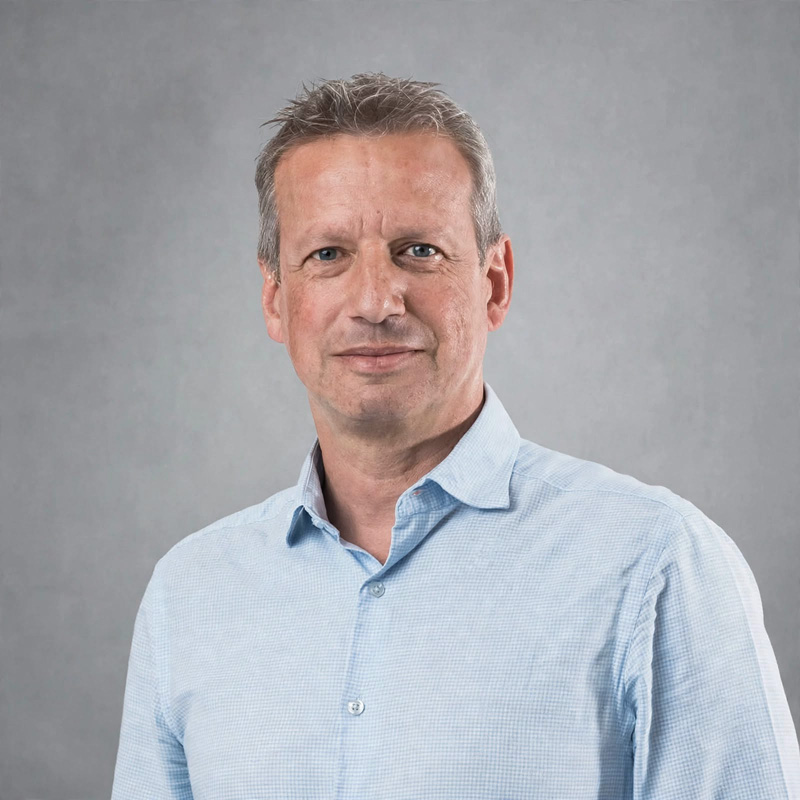
Prof. Marco Sandri
Comitato Tecnico Scientifico L-MF
Prof. Marco Sandri, medico e ricercatore italiano, Professore Ordinario di Patologia Clinica presso il Dipartimento di Scienze Biomediche, Università di Padova. È una delle figure di riferimento a livello internazionale per la biologia del muscolo scheletrico, in particolare per i meccanismi che controllano massa muscolare, atrofia, autofagia e proteostasi. Dal 2011 è Adjunct Professor presso la McGill University di Montreal. La sua ricerca si concentra sulle vie di segnalazione che regolano la massa muscolare, con particolare attenzione ai sistemi ubiquitina-proteasoma e autofagia-lisosoma. È stato tra i primi a dimostrare la regolazione trascrizionale dell’autofagia e della degradazione proteica, e il ruolo dell’alterazione dell’autofagia nell’atrofia muscolare, nelle malattie muscolari ereditarie e nell’invecchiamento precoce. Più recentemente si occupa di proteostasi, dinamica mitocondriale, cachexia oncologica e sviluppo di approcci terapeutici basati su RNA. Tra i principali riconoscimenti: Dulbecco Telethon Career Award: 2005 e 2010, ERC Consolidator Grant (2012) e ERC Advanced Grant (2025), Highly Cited Researcher Clarivate dal 2021, Highly Ranked Scholar ScholarGPS, 2025, oltre 43.000 citazioni su Scopus e h-index 88.
Prof. Marco Sandri
L-MF Scientific Technical Committee
Prof. Marco Sandri is an Italian physician and researcher, serving as a Full Professor of Clinical Pathology in the Department of Biomedical Sciences at the University of Padua. He is an internationally recognized authority on skeletal muscle biology, specifically regarding the mechanisms that govern muscle mass, atrophy, autophagy, and proteostasis. Since 2011, he has held the position of Adjunct Professor at McGill University in Montreal. His research focuses on the signaling pathways that regulate muscle mass, with a particular emphasis on the ubiquitin-proteasome and autophagy-lysosome systems. He was among the first to demonstrate the transcriptional regulation of autophagy and protein degradation, as well as the role of impaired autophagy in muscle atrophy, hereditary muscle diseases, and premature aging. More recently, his work has centered on proteostasis, mitochondrial dynamics, cancer-related cachexia, and the development of RNA-based therapeutic approaches. His major honors and awards include the Dulbecco Telethon Career Award (2005 and 2010), an ERC Consolidator Grant (2012), and an ERC Advanced Grant (2025). He has been recognized as a “Highly Cited Researcher” by Clarivate since 2021 and as a “Highly Ranked Scholar” by ScholarGPS (2025). He has over 43,000 citations on Scopus and an h-index of 88.
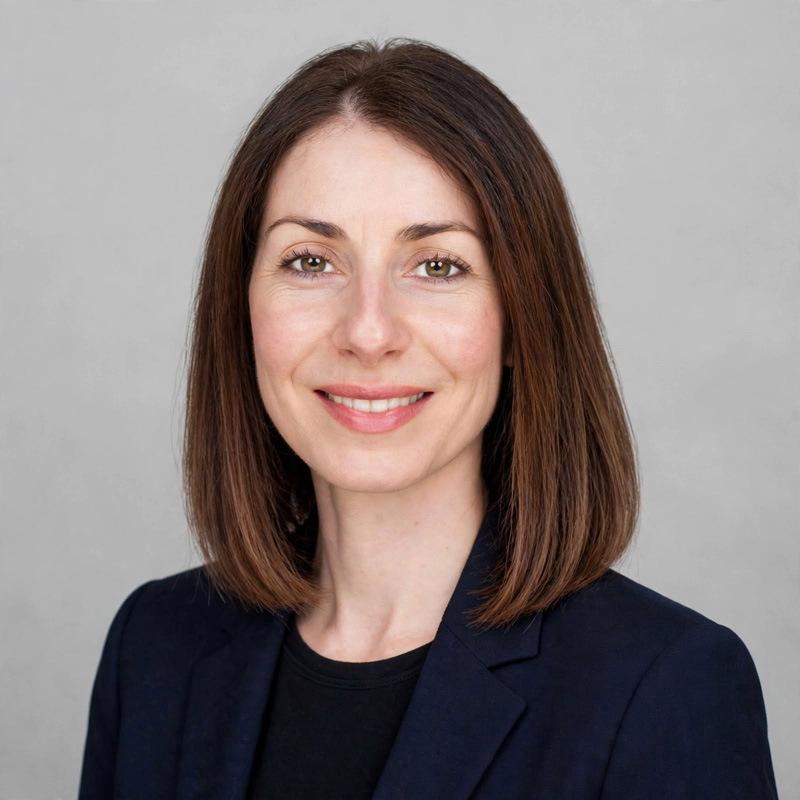
Prof.ssa Giada Genchi
Comitato Tecnico Scientifico L-MF
Prof.ssa Giada Genchi, professoressa associata di Bioingegneria all’ Università di Bari “Aldo Moro”. È Visiting Scientist presso la Smart Bio-Interfaces Research Unit dell’ Istituto Italiano di Tecnologia di Pontedera. La sua ricerca si concentra su micro e nanofabbricazione di materiali intelligenti e loro caratterizzazione. Lavora su ingegneria tissutale con materiali intelligenti, DNA ricombinante e biologia spaziale. È Co-Principal Investigator del progetto PROMETEO, finanziato dall’ Agenzia Spaziale Italiana. È coordinatrice del progetto PRIN 2022 PNRR REPAIR, finanziato dal Ministero dell’Università e della Ricerca. È responsabile di una borsa di dottorato 2024-2027 finanziata dall’ ASI per studi di biologia spaziale. Ha una forte esperienza nella progettazione di esperimenti in condizioni di gravità alterata. Ha partecipato a progetti dell’ Agenzia Spaziale Europea come Transformers, PlanOx, NOEMI e Nichoid in Space. Nel 2011 ha ricevuto il premio “Salvatore Venuta” in Nanomedicina ed è abilitata a professoressa associata in fisica, scienza dei materiali e bioingegneria.
Prof. Giada Genchi
L-MF Scientific Technical Committee
Prof. Giada Genchi is an Associate Professor of Bioengineering at the University of Bari “Aldo Moro.” She serves as a Visiting Scientist at the Smart Bio-Interfaces Research Unit of the Italian Institute of Technology (IIT) in Pontedera. Her research focuses on the micro- and nanofabrication of smart materials and their characterization. She works in the fields of tissue engineering using smart materials, recombinant DNA, and space biology. She is a Co-Principal Investigator for the PROMETEO project, funded by the Italian Space Agency (ASI), and coordinator of the PRIN 2022 PNRR REPAIR project, funded by the Italian Ministry of University and Research. She also oversees a 2024–2027 doctoral fellowship, funded by the ASI, dedicated to research in space biology. She possesses extensive experience in designing experiments for conditions of altered gravity and has participated in European Space Agency (ESA) projects such as Transformers, PlanOx, NOEMI, and Nichoid in Space. In 2011, she received the “Salvatore Venuta” Award in Nanomedicine, and she holds the national scientific qualification as an Associate Professor in the fields of Physics, Materials Science, and Bioengineering.
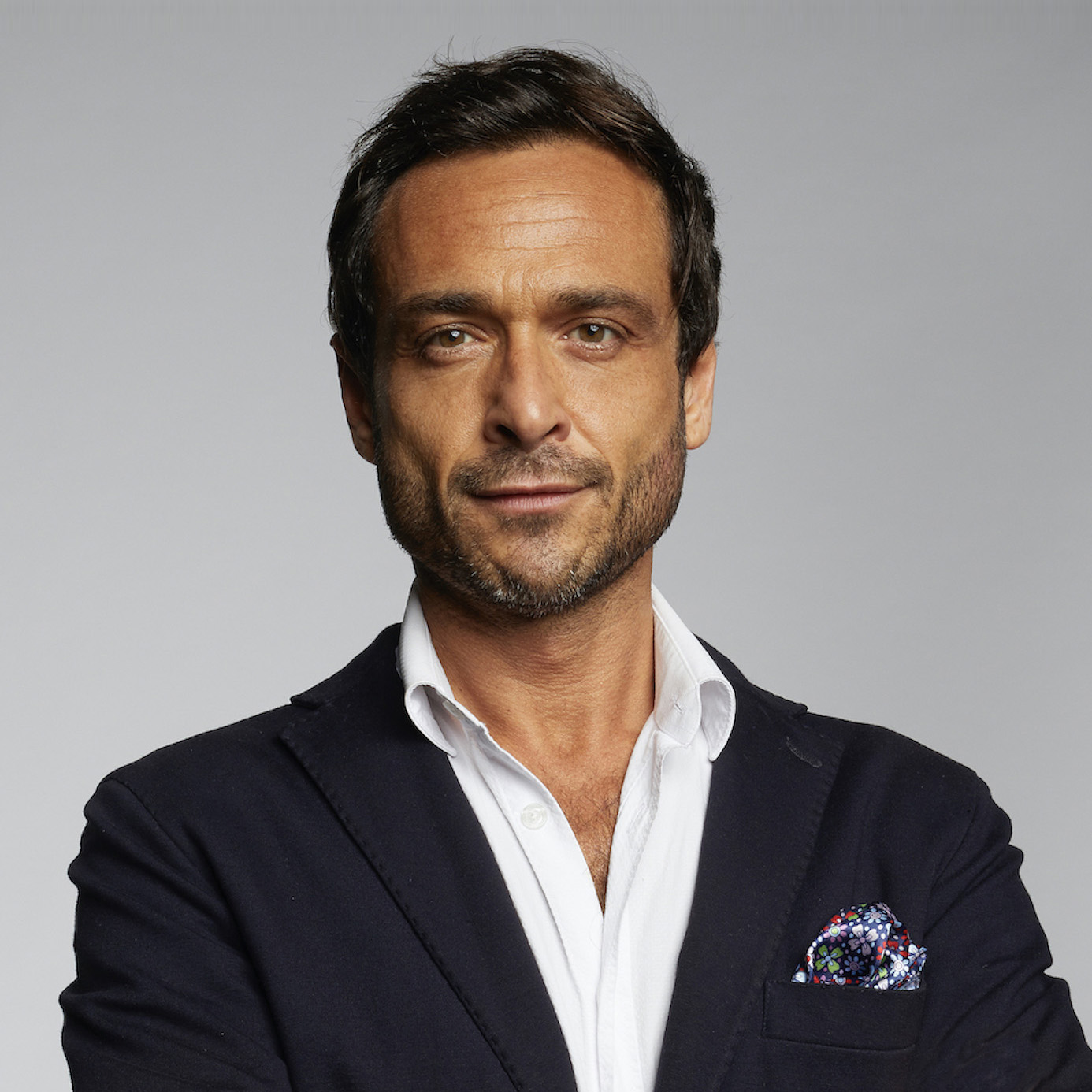
Prof. Ennio Tasciotti
Comitato Tecnico Scientifico L-MF
Prof. Ennio Tasciotti, fondatore e direttore del Human Longevity Program presso l’IRCCS San Raffaele. È professore ordinario di biotecnologie all’ Università Vita-Salute San Raffaele. La sua ricerca si concentra sull’invecchiamento come condizione trattabile e sulla longevità sana. Ha conseguito la laurea in Scienze Biologiche con lode all’ Università di Pisa nel 2000. Ha ottenuto una seconda laurea in Biologia Molecolare con lode alla Scuola Normale Superiore nel 2001. Nel 2005 ha conseguito il dottorato in Biologia Molecolare, sempre alla Scuola Normale Superiore, in collaborazione con l’ ICGEB. Ha lavorato negli Stati Uniti presso l’Houston Methodist, dove è stato professore associato di nanomedicina. A Houston ha diretto i centri per la medicina biomimetica e la rigenerazione muscolo-scheletrica. La sua attività scientifica unisce nanomedicina, medicina rigenerativa e immunologia. L’obiettivo del suo lavoro è sviluppare terapie innovative per contrastare infiammazione, degenerazione e malattie legate all’età.
Prof. Ennio Tasciotti
L-MF Scientific Technical Committee
Prof. Ennio Tasciotti is the founder and director of the Human Longevity Program at IRCCS San Raffaele and a full professor of biotechnology at Vita-Salute San Raffaele University. His research focuses on aging as a treatable condition and on healthy longevity. He earned a degree in Biological Sciences with honors from the University of Pisa in 2000, followed by a second degree in Molecular Biology—also with honors—from the Scuola Normale Superiore in 2001. In 2005, he completed his PhD in Molecular Biology at the Scuola Normale Superiore, in collaboration with the ICGEB. He previously worked in the United States at Houston Methodist, where he served as an associate professor of nanomedicine and directed the centers for biomimetic medicine and musculoskeletal regeneration. His scientific work integrates nanomedicine, regenerative medicine, and immunology, with the goal of developing innovative therapies to combat inflammation, degeneration, and age-related diseases.
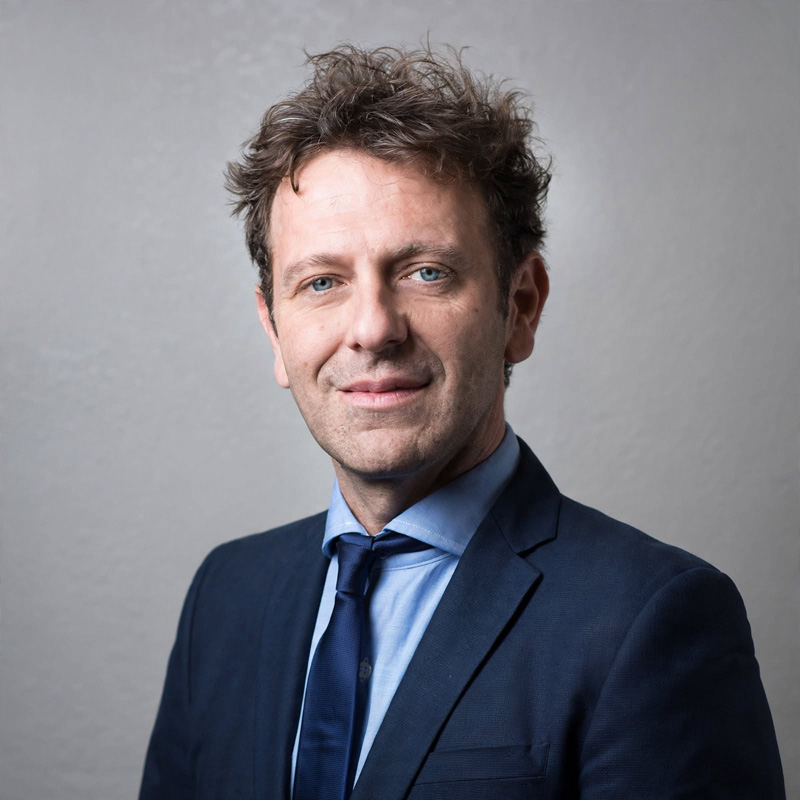
Prof. Vittorio Sebastiano
Comitato Tecnico Scientifico L-MF
Prof. Vittorio Sebastiano, professore Associato di Ostetricia e Ginecologia presso la Stanford School of Medicine, in California. Ha conseguito il PhD in Biologia Cellulare presso l’ Università di Pavia nel 2004. Esperto di biologia delle cellule staminali, riprogrammazione cellulare e medicina rigenerativa. Fondatore e responsabile del Sebastiano Lab a Stanford, dedicato allo studio dell’invecchiamento cellulare. Ha sviluppato ERA (Epigenetic Reprogramming of Aging), tecnologia che ringiovanisce le cellule adulte preservandone l’identità. Co-fondatore di Turn Biotechnologies, azienda che sta applicando ERA in ambito terapeutico. Le sue ricerche spaziano da fertilità e sviluppo embrionale a salute della pelle e invecchiamento biologico. Autore di numerose pubblicazioni su riviste internazionali di biologia cellulare e medicina rigenerativa. Relatore invitato a congressi e festival scientifici internazionali, tra cui il Trento Economics Festival. Attualmente impegnato nella traslazione clinica delle tecnologie di riprogrammazione epigenetica per patologie legate all’età.
Prof. Vittorio Sebastiano
L-MF Scientific Technical Committee
Prof. Vittorio Sebastiano is an Associate Professor of Obstetrics and Gynecology at the Stanford School of Medicine in California. He earned his PhD in Cell Biology from the University of Pavia in 2004. An expert in stem cell biology, cellular reprogramming, and regenerative medicine, he is the founder and principal investigator of the Sebastiano Lab at Stanford, which is dedicated to the study of cellular aging. He developed ERA (Epigenetic Reprogramming of Aging), a technology that rejuvenates adult cells while preserving their identity. He is also a co-founder of Turn Biotechnologies, a company that is applying the ERA technology in a therapeutic context. His research spans a wide range of topics, from fertility and embryonic development to skin health and biological aging. He has authored numerous publications in international journals focused on cell biology and regenerative medicine, and is a frequent invited speaker at international scientific congresses and festivals, including the Trento Economics Festival. He is currently focused on the clinical translation of epigenetic reprogramming technologies for age-related diseases.
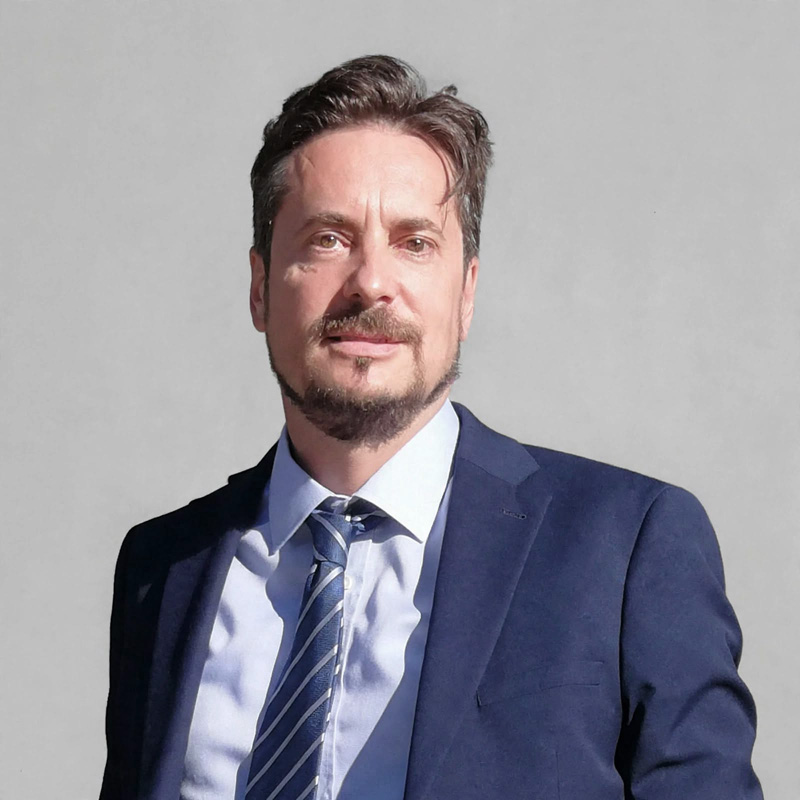
Dott. Marcello Merlino
Consigliere L-MF
Dott. Marcello Merlino, presidente di Paulownia4Planet, realtà dedicata alla valorizzazione della Paulownia. È co-fondatore di Paulownia Piemonte con una visione condivisa di comunione con la natura. Il suo lavoro punta sulla Paulownia come “albero del futuro”, per le sue qualità ambientali e produttive. Promuove la Paulownia come pianta ad alto assorbimento di CO2, anche integrata con tecnologie di monitoraggio avanzate. Ha presentato i progetti di Paulownia4Planet in contesti dedicati all’ambiente e alla transizione energetica. La sua attività unisce sostenibilità, innovazione e design, con l’obiettivo di vivere in armonia con la natura. Interviene come relatore in forum e convegni su ambiente, foreste e nuove infrastrutture sostenibili.
Dr. Marcello Merlino
L-MF Board Member
Dr. Marcello Merlino is the president of Paulownia4Planet, an organization dedicated to promoting the value of the Paulownia tree. He is also a co-founder of Paulownia Piemonte, driven by a shared vision of living in communion with nature. His work focuses on the Paulownia as the “tree of the future,” owing to its environmental and productive qualities. He advocates for the Paulownia as a plant with a high capacity for CO2 absorption, often integrating it with advanced monitoring technologies. He has presented Paulownia4Planet’s initiatives at various forums focused on the environment and the energy transition. His work bridges sustainability, innovation, and design, with the ultimate goal of fostering a life in harmony with nature. He frequently serves as a speaker at forums and conferences concerning the environment, forestry, and new sustainable infrastructure.
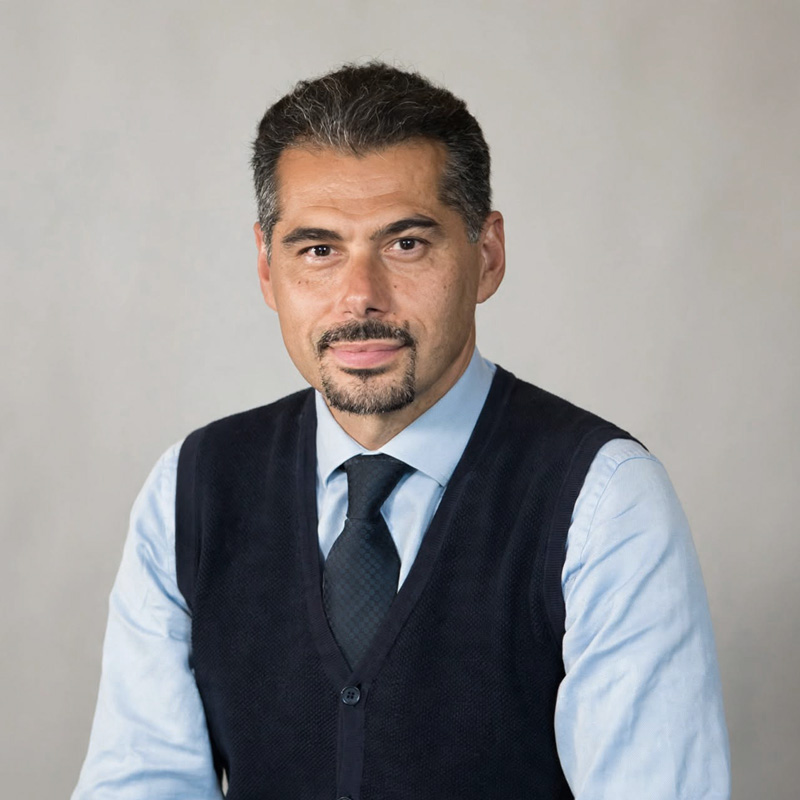
Arch. Giancarlo Zema
Consigliere L-MF
Arch. Giancarlo Zema, fondatore e presidente del Giancarlo Zema Design Group (GZDG), studio di architettura con sede a Roma, specializzato in progetti eco-sostenibili, infrastrutture intelligenti e habitat galleggianti autosufficienti. Il suo portfolio include progetti straordinari, come hotel e resort sull’acqua in Qatar e negli Emirati Arabi, ponti pedonali in Bahrein, impianti sportivi in Libia e Azerbaigian, catene di ristoranti in Iran e vertiporti in Cina. Per ANAS ha disegnato gli energy HUB “Green Island” per le Smart Road e lo Smart Road Center di Roma. Per il Gruppo Ferrovie dello Stato ha firmato il Varese Vertiport HUB, prima infrastruttura europea per la Urban Air Mobility. Ha firmato il progetto per la nuova sede della Levi-Montalcini Foundation. Ha vinto prestigiosi premi internazionali, tra cui i Chicago Athenaeum GREEN GOOD DESIGN Awards e i BUILD Architecture Awards. I suoi progetti sono stati esposti alla Triennale di Milano, alla Biennale di Venezia e all’Ara Pacis, con oltre cento pubblicazioni e numerose copertine.
Arch. Giancarlo Zema
L-MF Board Member
Architect Giancarlo Zema is the founder and president of the Giancarlo Zema Design Group (GZDG), a Rome-based architecture firm specializing in eco-sustainable projects, smart infrastructure, and self-sufficient floating habitats. His portfolio features remarkable projects, including overwater hotels and resorts in Qatar and the United Arab Emirates, pedestrian bridges in Bahrain, sports facilities in Libya and Azerbaijan, restaurant chains in Iran, and vertiports in China. For ANAS, he designed the “Green Island” energy hubs for Smart Roads, as well as the Smart Road Center in Rome. For the Ferrovie dello Stato Group, he designed the Varese Vertiport HUB—the first European infrastructure dedicated to Urban Air Mobility. He has received prestigious international accolades, including the Chicago Athenaeum GREEN GOOD DESIGN Awards and the BUILD Architecture Awards. His work has been showcased at the Triennale di Milano, the Venice Biennale, and the Ara Pacis, and has been featured in over one hundred publications, including numerous magazine covers.